
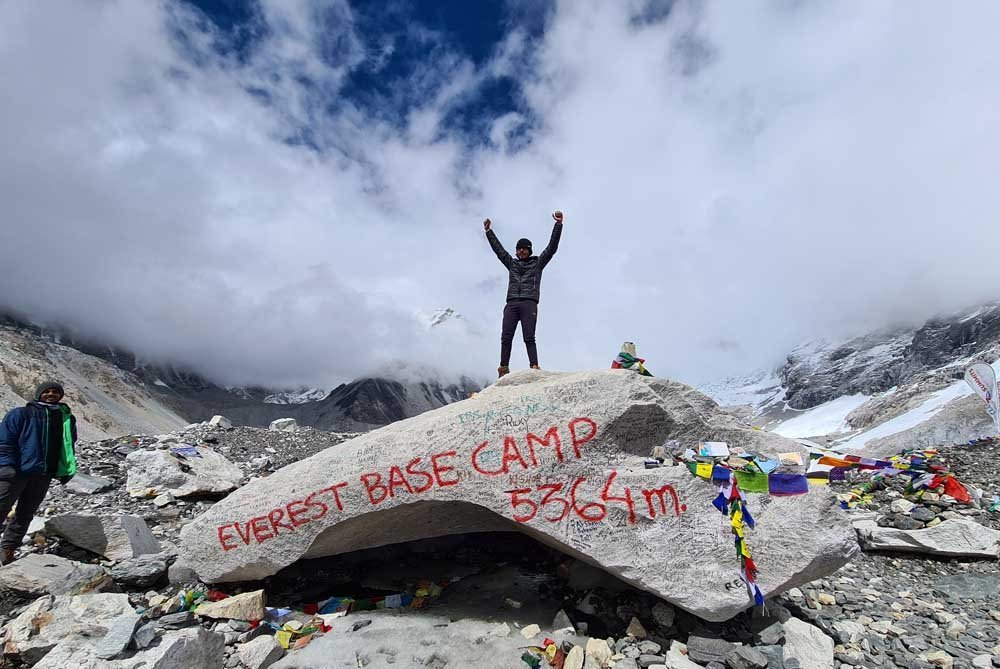
One of the most common questions trekkers ask while planning a Himalayan adventure is: Can you do Everest Base Camp in January? The answer is yes, you absolutely can — but January trekking comes with specific conditions that every trekker must understand before committing.
January falls in the peak winter season in Nepal, and the Everest Base Camp Trek during this time is colder and quieter compared to spring or autumn. Daytime temperatures along the trail remain manageable at lower altitudes, but as you gain elevation beyond Namche Bazaar, temperatures drop sharply. Nights at higher villages and at Everest Base Camp itself can fall well below freezing. Snowfall is common, especially in the upper Khumbu region, which adds both beauty and challenge to the trek.
Despite the cold, January offers some major advantages. Clear skies are one of the biggest highlights, providing exceptional mountain views of Everest, Lhotse, Nuptse, and Ama Dablam. Another major benefit is fewer crowds. Unlike peak seasons, trails and teahouses are far less crowded, giving trekkers a more peaceful and immersive Himalayan experience.
So, can you do Everest Base Camp in January? Yes — provided you are physically prepared, mentally resilient, and equipped with proper winter trekking gear. The route remains open, and with experienced guidance and correct acclimatization, January can be a rewarding time to reach Everest Base Camp.
Can You Do Everest Base Camp in January Safely?
Safety is a key concern when considering whether you can do Everest Base Camp in January. Winter trekking requires additional preparation, but it is not unsafe when done correctly.
The primary challenges include cold temperatures, occasional snow-covered trails, and shorter daylight hours. However, January generally experiences stable weather patterns with less rain, which reduces the risk of landslides compared to monsoon months. Acclimatization days remain essential, as altitude sickness is still a risk regardless of season.
Teahouses remain operational on the main Everest Base Camp route, though some higher-altitude lodges may have limited facilities. Trekking with an experienced team is strongly recommended in January to manage weather changes, navigation, and health concerns efficiently.
What to Expect on the Everest Base Camp Trek in January
Understanding what lies ahead helps you decide if Everest Base Camp in January is right for you.
Weather and Temperature
January is the coldest month in the Everest region. Expect crisp mornings, cold evenings, and very low nighttime temperatures at higher elevations. Clear skies are common, making it excellent for photography and mountain views.
Trail Conditions
Lower sections of the trail are usually dry, while higher sections may have snow or ice. This adds difficulty but also enhances the scenic beauty of the trek.
Crowds and Costs
January is off-season, meaning fewer trekkers, easier accommodation availability, and often better value compared to peak months.
Why Choose We Ramblers for Everest Base Camp Trekking in January?
At We Ramblers, we understand that winter trekking demands more than just enthusiasm — it requires expertise, planning, and reliable on-ground support. Our Everest Base Camp Trek is designed to ensure safety, comfort, and a smooth trekking experience, even in challenging months like January.
We focus on proper acclimatization schedules, experienced guides, and detailed pre-trek preparation so you know exactly what to expect. Whether you are an experienced trekker or someone seeking a quieter Everest experience, our team ensures you are fully supported throughout the journey.
Our Everest Base Camp Trek Package
Our Everest Base Camp Trek package is carefully structured to suit both peak and off-season trekkers. The itinerary balances trekking days with acclimatization, ensuring a safer ascent to high altitude.
What’s Included in Our EBC Trek
- Well-planned itinerary with acclimatization days
- Experienced local guides with deep knowledge of the Everest region
- Comfortable teahouse stays throughout the trek
- Meals during the trek to maintain energy and nutrition
- Permit management and logistical support
- Guidance on winter gear and preparation
Our team handles the details so you can focus on the journey itself.
Is Everest Base Camp in January Right for You?
If you enjoy solitude, dramatic winter landscapes, and crisp mountain views, then Everest Base Camp in January can be an incredible experience. While it is colder and slightly more demanding, the rewards are unmatched — peaceful trails, clear skies, and a true sense of adventure.
So, can you do Everest Base Camp in January? Yes — and with the right preparation and the right trekking partner like We Ramblers, it can be one of the most memorable treks of your life. Contact us now for detailed info.
Frequently Asked Questions: Can You Do Everest Base Camp in January?
Can you do Everest Base Camp in January as a beginner?
Yes, you can do Everest Base Camp in January as a beginner if you have good physical fitness, mental preparedness, and proper winter gear. However, January is better suited for trekkers who are comfortable with cold conditions and slower trekking days. Trekking with an experienced operator is strongly recommended for first-timers.
How cold does Everest Base Camp get in January?
January is the coldest month on the Everest Base Camp route. Daytime temperatures can remain manageable, but nighttime temperatures at higher altitudes often drop well below freezing. Proper layering, insulated sleeping bags, and winter clothing are essential.
Are teahouses open on the Everest Base Camp trek in January?
Yes, most teahouses on the main Everest Base Camp trail remain open in January. However, options may be limited at higher altitudes, and facilities can be basic due to extreme cold. Trekking with a planned itinerary ensures accommodation availability.
Is Everest Base Camp crowded in January?
No, January is one of the least crowded months on the Everest Base Camp trek. This is a major advantage for trekkers seeking solitude, quieter trails, and a more peaceful Himalayan experience.
Is altitude sickness a risk in January?
Yes, altitude sickness is a risk in every season, including January. Cold weather does not reduce altitude-related risks. Proper acclimatization, hydration, and gradual ascent are critical to safely reaching Everest Base Camp.
Should you trek Everest Base Camp in January with a guide?
Yes, if you are asking can you do Everest Base Camp in January, trekking with a guide is highly recommended. Winter conditions can change quickly, and experienced guides help manage safety, navigation, acclimatization, and logistics effectively.