The Everest Base Camp Trek is not only a physical journey but also a visual masterpiece. From sunrise over snow-capped peaks to prayer flags fluttering against deep blue skies, every day offers incredible photo opportunities. Many trekkers ask, what are the best photography spots on the Everest Base Camp Trek? The trail is filled with iconic viewpoints, dramatic landscapes, and cultural scenes that make it one of the most photogenic treks in the world.
Understanding the best photography spots on the Everest Base Camp Trek helps you plan your shots, time your hikes, and capture unforgettable Himalayan moments.
Kala Patthar – The Classic Everest View
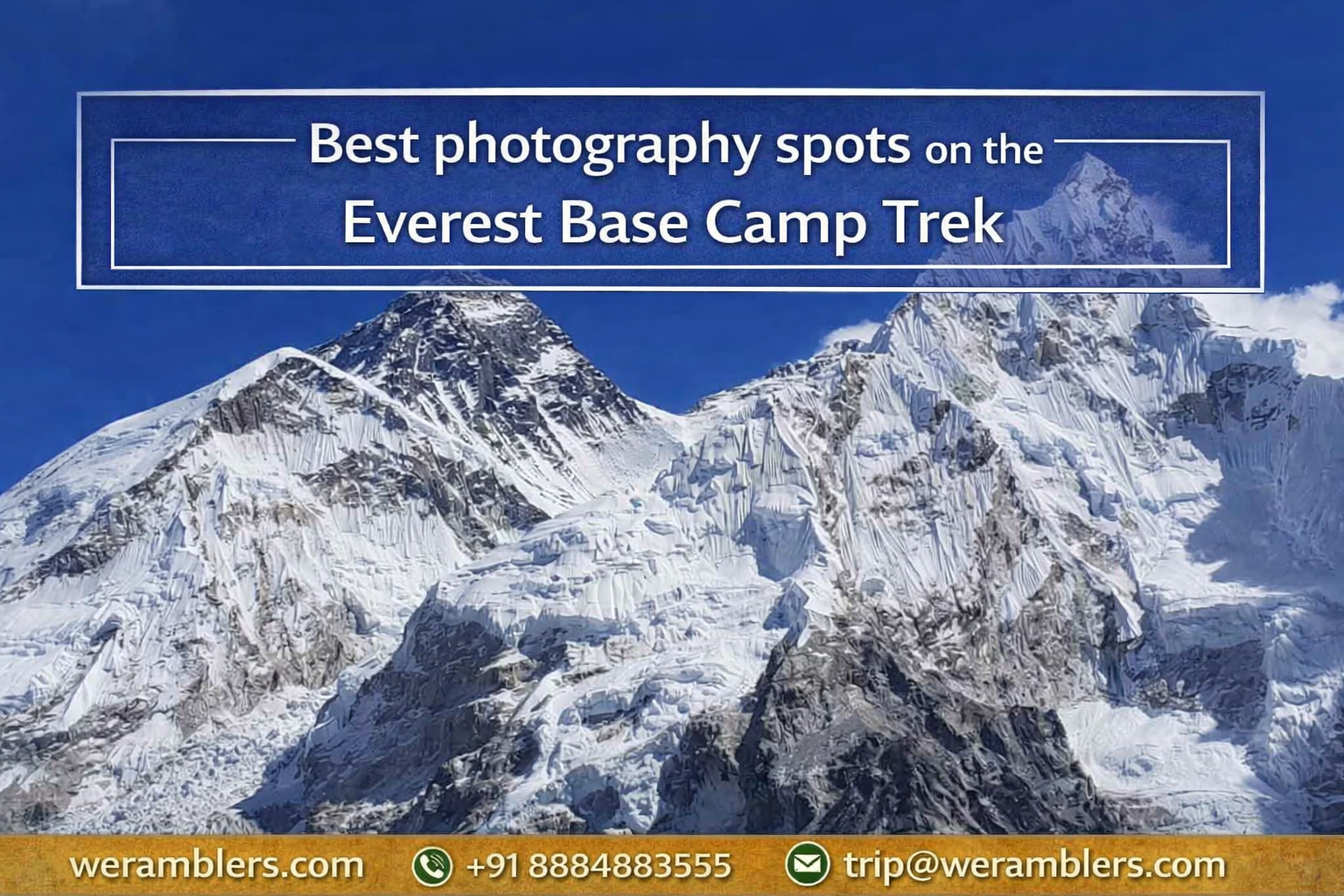
Kala Patthar is widely considered the most iconic photography spot on the Everest Base Camp Trek. While Everest Base Camp itself does not offer clear views of Mount Everest, Kala Patthar provides a direct, close-up perspective of the world’s highest peak.
Photographers often climb early in the morning for sunrise when golden light hits Everest, Nuptse, and Pumori. The panoramic views from this viewpoint are unmatched and often become the highlight of any trekking photo collection.
Everest Base Camp – Glacial Drama
Although Everest is partially hidden from Base Camp itself, the dramatic Khumbu Glacier and surrounding ice formations create powerful landscapes. During the climbing season, colorful expedition tents add vibrant contrast against the icy terrain.
Wide-angle lenses work well here to capture the scale of the glacier and surrounding peaks.
Tengboche Monastery – Culture Meets Mountains
Tengboche Monastery is one of the most scenic cultural photography spots along the trail. With Ama Dablam rising in the background, the monastery offers a perfect blend of spiritual architecture and Himalayan scenery.
Morning light and clear skies create ideal conditions for capturing this iconic combination of culture and mountains.
Namche Bazaar – The Heart of the Khumbu
Namche Bazaar is both a cultural and scenic photography location. The amphitheater-shaped village surrounded by mountains creates a unique landscape perspective.
The nearby viewpoint above Namche, often visited during acclimatization hikes, offers sweeping views of Everest and the surrounding range.
Dingboche and Nangkartshang Ridge – Wide Himalayan Views
Dingboche is known for its open valley setting and stone-walled fields. Climbing to Nangkartshang Ridge offers stunning wide-angle views of Ama Dablam and neighboring peaks.
This location is perfect for landscape photography and capturing dramatic sky formations over snow-capped mountains.
Lobuche and the Khumbu Glacier
As you approach Lobuche, the terrain becomes more rugged and glacial. The stark contrast between rocky trails and towering peaks provides powerful compositions.
Sunrise and sunset shots in this region often highlight the texture of the mountains and the vastness of the Himalayan landscape.
Hotel Everest View – Accessible Everest Shots
Located above Namche Bazaar, this viewpoint offers one of the earliest and clearest views of Mount Everest on the trek. It is ideal for photographers who want stunning Everest shots without extreme altitude.
The panoramic backdrop makes it a favorite early-stop photography point.
Pheriche and Pangboche – Cultural and Natural Blend
These villages provide opportunities to capture traditional Sherpa homes, grazing yaks, prayer wheels, and mountain backdrops in a single frame. Authentic cultural moments often unfold naturally in these settlements.
Photography Tips for the EBC Trek
The Everest region offers intense sunlight during the day and cold temperatures in the mornings and evenings. Protecting your camera gear from cold and dust is essential.
Early mornings and late afternoons provide the best lighting conditions. Clear post-monsoon skies in autumn and blooming rhododendrons in spring add seasonal variety to your photography.
Capturing the Journey with We Ramblers
At We Ramblers, we understand that for many trekkers, photography is a major part of the Everest Base Camp experience. Our itineraries include acclimatization stops and well-paced schedules that allow time to enjoy and photograph the landscape without rushing.
Our experienced guides know the best sunrise points, scenic rest stops, and hidden angles that elevate your photography experience. Trekking with We Ramblers ensures you not only reach Everest Base Camp but capture its beauty fully.
Frequently Asked Questions: Best Photography Spots on the Everest Base Camp Trek
Where is the best place to photograph Mount Everest?
Kala Patthar offers the closest and clearest view of Mount Everest on the trek.
Can I see Everest from Everest Base Camp?
Everest is partially visible from Base Camp, but clearer views are available from Kala Patthar and viewpoints near Namche Bazaar.
What time of day is best for photography on the EBC trek?
Early morning and late afternoon provide the best lighting conditions for mountain photography.
Is drone photography allowed on the EBC trek?
Drone usage is restricted and typically requires special permits.
Which season is best for photography?
Autumn (September–November) and spring (March–May) offer the clearest skies and best visibility.
Do I need professional equipment for EBC photography?
No. Even smartphones can capture stunning views, but a camera with good zoom capability enhances mountain photography.