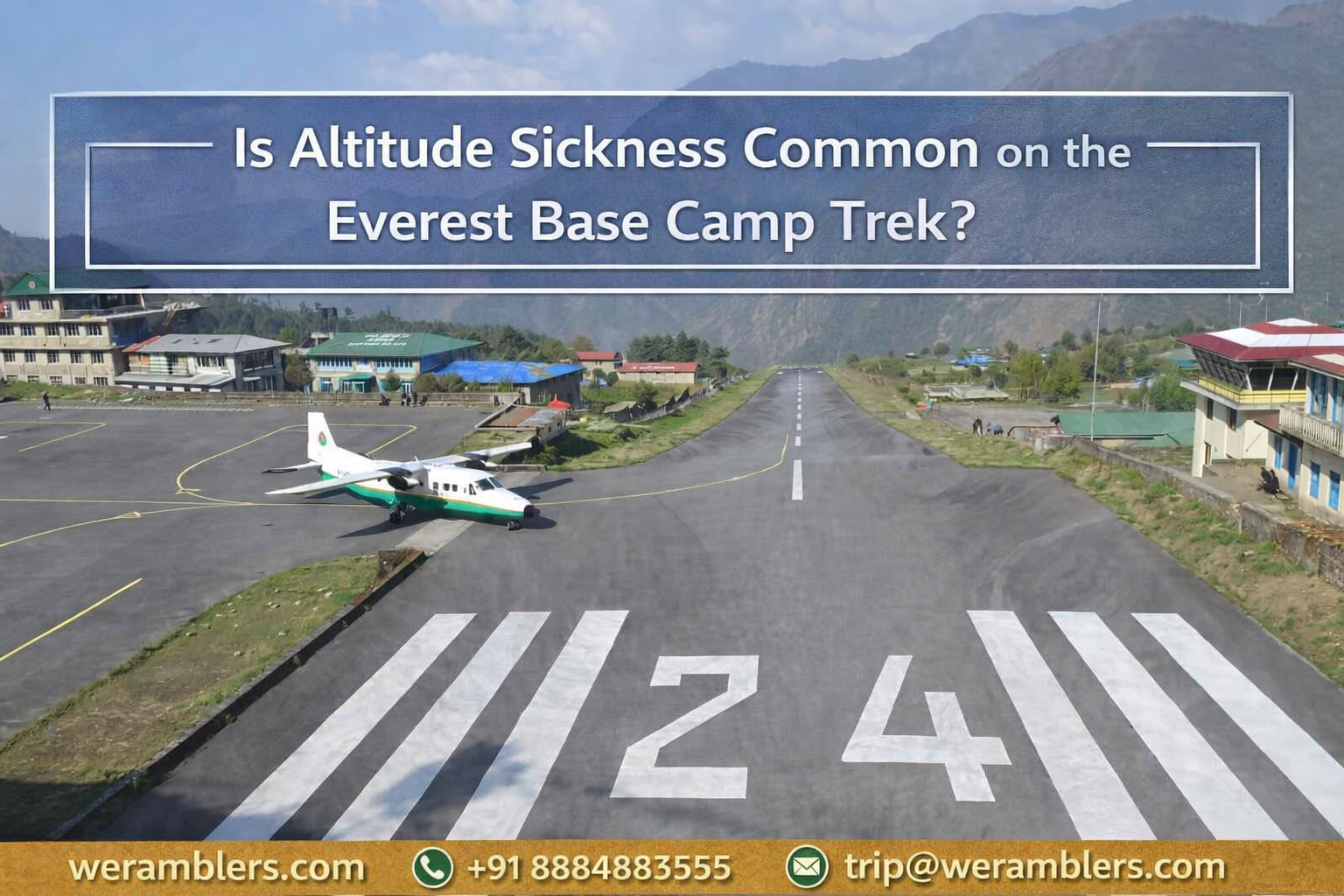
One of the biggest concerns trekkers have while planning their journey is “is altitude sickness common on the Everest Base Camp Trek?“ Since the trek takes you to elevations above 5,000 meters, this is a valid and important question to ask before committing to the adventure.
Altitude sickness, also known as acute mountain sickness (AMS), can affect anyone traveling to high altitude, regardless of age, fitness level, or prior trekking experience. The Everest Base Camp Trek involves gradual altitude gain over several days, which helps reduce the risk, but it does not eliminate it entirely.
Understanding “is altitude sickness common on the Everest Base Camp Trek” helps trekkers prepare properly, follow safe acclimatization practices, and recognize symptoms early so the trek remains safe and enjoyable.
Is Altitude Sickness Common on the Everest Base Camp Trek?
Yes, altitude sickness is relatively common on the Everest Base Camp Trek, especially among trekkers who ascend too quickly or ignore early warning signs. However, most cases are mild and manageable when the trek is done at a proper pace with adequate acclimatization.
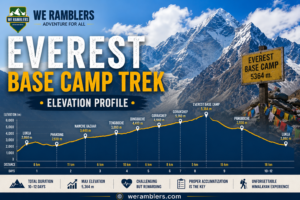
The risk increases as you go higher, particularly after crossing Namche Bazaar and moving toward villages like Dingboche, Lobuche, and Gorak Shep. This is why rest days and gradual ascent are essential parts of a well-planned EBC itinerary.
While many trekkers experience mild symptoms, serious altitude sickness is far less common when safety guidelines are followed.
Common Symptoms of Altitude Sickness on the EBC Trek
Altitude sickness symptoms vary from person to person and can appear even if you feel fit and strong.
Mild Symptoms
- Headache
- Loss of appetite
- Nausea
- Fatigue
- Dizziness
- Difficulty sleeping
These symptoms are common and usually improve with rest, hydration, and proper acclimatization.
Severe Symptoms
Severe altitude sickness is less common but requires immediate attention. Symptoms may include:
- Persistent headache that does not improve
- Vomiting
- Confusion or difficulty walking
- Shortness of breath at rest
Recognizing symptoms early is key to preventing serious complications.
Why Does Altitude Sickness Occur on the Everest Base Camp Trek?
Altitude sickness occurs because the air pressure and oxygen levels decrease as you gain elevation. Your body needs time to adapt to these changes.
Even though the Everest Base Camp Trek is designed with gradual altitude gain, factors such as dehydration, overexertion, lack of rest, and rapid ascent can increase the risk. Fitness alone does not prevent altitude sickness, which is why slow pacing and acclimatization are essential for everyone.
How to Reduce the Risk of Altitude Sickness on the EBC Trek
While altitude sickness cannot be completely avoided, several practices significantly reduce the risk.
Proper Acclimatization
Spending extra nights at key villages allows your body to adjust to altitude. Acclimatization days are one of the most effective ways to prevent altitude sickness.
Slow and Steady Pace
Walking slowly, especially at higher altitudes, helps your body adapt. Rushing increases strain and reduces your ability to acclimatize.
Hydration and Nutrition
Drinking enough water and eating regular meals support oxygen circulation and energy levels. Dehydration increases altitude-related symptoms.
Listening to Your Body
Never ignore symptoms. Inform your guide immediately if you feel unwell. Early response prevents serious issues later.
Is Altitude Sickness Common on the Everest Base Camp Trek for Fit Trekkers?
Yes, even fit trekkers can experience altitude sickness. Physical fitness helps manage fatigue but does not guarantee protection from altitude-related issues.
This is why asking is altitude sickness common on the Everest Base Camp Trek is not about fear—it’s about preparation and awareness.
How We Ramblers Manages Altitude Safety
At We Ramblers, altitude safety is a top priority on every Everest Base Camp Trek. Our itineraries are designed with proper acclimatization days, realistic walking distances, and gradual altitude gain.
Our experienced guides are trained to:
- Monitor trekkers for early symptoms
- Adjust pace when needed
- Encourage hydration and rest
- Make safe decisions if descent is required
This careful approach significantly reduces the risk of serious altitude sickness and helps trekkers feel confident throughout the journey.
Everest Base Camp Trek with We Ramblers
Our Everest Base Camp Trek focuses on safety, preparation, and enjoyment. While altitude sickness is a known risk, proper planning and experienced guidance make the trek achievable for most people.
Trekking with We Ramblers includes:
- Acclimatization-focused itinerary
- Experienced guides trained in altitude awareness
- Daily health monitoring
- Supportive and safety-first trekking approach
If you are asking is altitude sickness common on the Everest Base Camp Trek, the answer is yes—but with the right preparation and the right team, it is manageable.
Frequently Asked Questions: Is Altitude Sickness Common on the Everest Base Camp Trek?
At what altitude does altitude sickness usually start?
Symptoms can begin above 2,500 meters, but they are more common after crossing Namche Bazaar on the EBC trek.
Can altitude sickness be prevented completely?
No. It cannot be fully prevented, but proper acclimatization and pacing greatly reduce the risk.
Should I take medication to prevent altitude sickness?
Medication is a personal decision and should only be taken after consulting a medical professional.
What should I do if I feel symptoms during the trek?
Inform your guide immediately. Rest, hydration, and sometimes descent are necessary.
Is altitude sickness more common in winter or monsoon?
Season does not significantly change the risk. Altitude gain and acclimatization matter more than weather.
Do guides monitor altitude sickness on the EBC trek?
Yes. Experienced guides regularly check trekkers for symptoms and take action when needed.