Preparing for the Everest Base Camp Trek is as much about physical readiness as it is about motivation and planning. One of the first questions most trekkers ask is, how do I prepare physically for the EBC Trek? This is an important question because while the trek does not involve climbing ropes or technical mountaineering, it does demand endurance, strength, and the ability to walk comfortably at high altitude for multiple days.
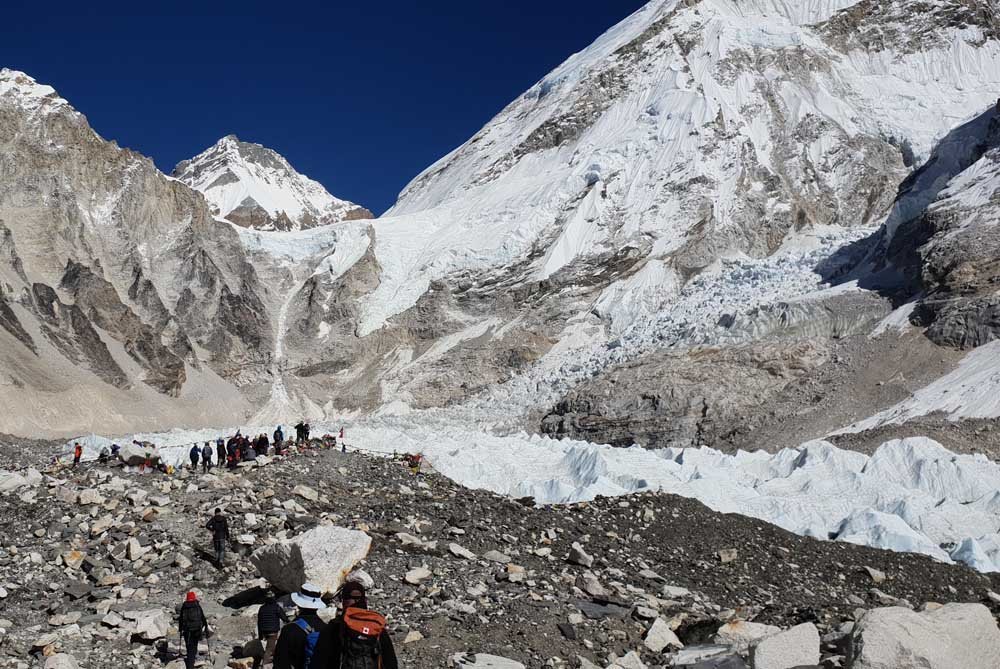
The EBC Trek involves long walking hours, steep ascents, and continuous descents on uneven mountain terrain. On most days, trekkers walk between five to seven hours while gradually gaining altitude. Without proper preparation, even physically active people can feel exhausted early in the trek. Understanding how to prepare physically for the EBC Trek allows you to enjoy the landscapes, culture, and sense of achievement instead of constantly battling fatigue.
Good physical preparation helps your body adapt better to long trekking days, recover faster overnight, and maintain a steady pace throughout the journey. With consistent training and the right focus areas, trekkers of all experience levels can successfully prepare for the Everest Base Camp Trek.
How Do I Prepare Physically for the EBC Trek? Key Fitness Foundations
To prepare effectively, your training should focus on building endurance, strength, and balance. These fitness foundations directly reflect the demands of the trail.
Cardiovascular Endurance
Cardiovascular fitness is the most important component when preparing for the EBC trek. Strong cardio endurance allows you to walk for long hours without excessive breathlessness or fatigue. Activities such as brisk walking, jogging, cycling, swimming, stair climbing, or hiking are all effective.
Aim to train at least four to five days a week for 30–45 minutes per session. As your fitness improves, gradually increase the duration rather than intensity. Long, steady workouts better reflect real trekking conditions than short, intense bursts.
Leg Strength and Lower Body Conditioning
The Everest Base Camp trail puts significant strain on your legs, especially during downhill sections. Strengthening your lower body helps protect your knees, ankles, and hips while reducing muscle soreness.
Exercises such as squats, lunges, step-ups, calf raises, and wall sits should be part of your routine. If possible, perform some exercises while wearing a backpack to simulate trekking conditions.
Core Strength and Balance
A strong core improves posture and stability on uneven trails. Core strength also reduces the risk of back pain when walking for long hours with a backpack.
Planks, bridges, leg raises, and balance-focused exercises help develop stability and coordination. Even short daily core workouts can make a noticeable difference on the trail.
Practice Hiking and Long Walks
Nothing prepares you better than walking. If you have access to hills, trails, or staircases, use them regularly. Weekend hikes or long walks help build endurance and mental confidence while getting your body used to sustained movement.
How Long Should You Train Before the EBC Trek?
Most trekkers should begin physical preparation at least 8–12 weeks before the trek. If you are new to regular exercise or trekking, starting earlier is beneficial. Training does not need to be complicated, but it must be consistent. A balanced weekly routine that includes cardio, strength training, and long walks is far more effective than irregular intense workouts.
Why Physical Preparation Matters
At We Ramblers, we place strong emphasis on preparation because it directly affects safety, enjoyment, and success on the trail. Our Everest Base Camp Trek itineraries are designed with proper acclimatization days, manageable daily distances, and experienced guides who understand how to pace trekkers at altitude.
We support our trekkers with clear guidance before the trek begins, helping them understand how to prepare physically and what to expect on the trail. This approach ensures that your preparation supports your experience rather than becoming a limitation.
Everest Base Camp Trek with We Ramblers
Our Everest Base Camp Trek package is suitable for both first-time trekkers and experienced hikers who are willing to prepare properly. With well-planned itineraries, reliable logistics, and experienced local guides, we create an environment where trekkers can focus on the journey rather than the challenges. Contact us today for complete trek information.
Trekking with We Ramblers means:
- Balanced daily walking distances
- Acclimatization-focused itinerary design
- Experienced guides who monitor pace and wellbeing
- Pre-trek guidance to help you prepare physically and mentally
If you are asking “how do I prepare physically for the EBC Trek“, the answer is simple: train consistently, focus on endurance and strength, and trek with a team that prioritizes preparation and safety.
Frequently Asked Questions: How Do I Prepare Physically for the EBC Trek?
How long before the trek should I start training?
You should start training at least 8–12 weeks before the trek. Starting earlier is recommended if you are new to trekking or regular exercise.
Do I need gym training to prepare for the EBC Trek?
No. Gym training is helpful but not required. Walking, stair climbing, hiking, and bodyweight exercises are enough when done consistently.
Is running necessary for EBC preparation?
Running is optional. Brisk walking, hiking, and stair climbing are more closely aligned with actual trekking conditions.
Can beginners prepare physically for the EBC Trek?
Yes. Beginners can prepare successfully with consistent training, gradual progression, and proper guidance.
Does strength training really matter for the EBC trek?
Yes. Strong legs and core muscles reduce fatigue, protect joints, and improve balance on uneven terrain.
Will physical fitness prevent altitude sickness?
No. Fitness helps manage fatigue but does not prevent altitude sickness. Proper acclimatization and pacing are still essential.