
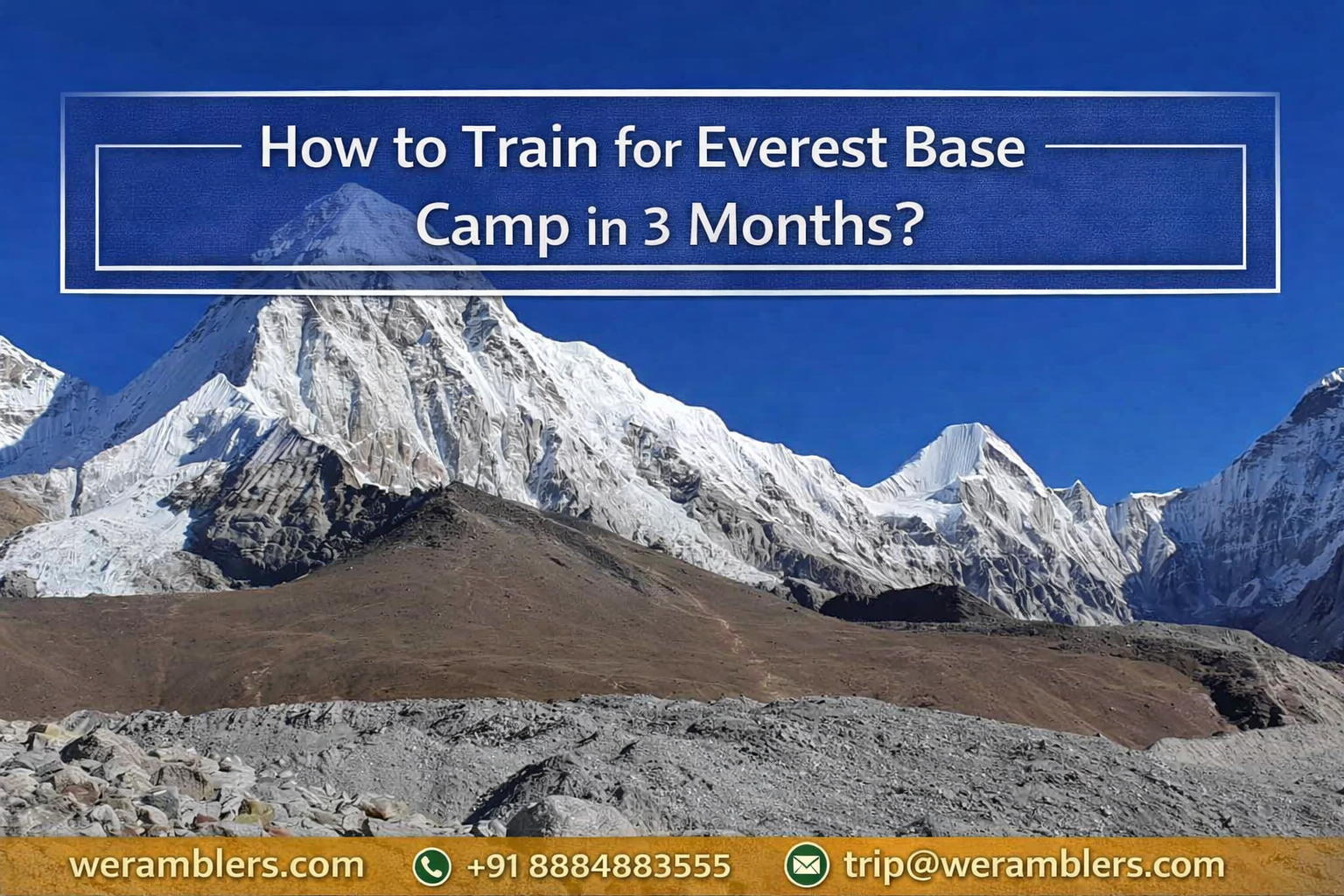
If you’re planning to trek to the Himalayas, one of the most important preparation questions is: how to train for Everest Base Camp in 3 months? The Everest Base Camp (EBC) Trek does not require technical climbing skills, but it does demand stamina, strength, and the ability to walk for multiple days at high altitude.
Training for Everest Base Camp in 3 months is realistic and achievable for most people with average fitness. A focused 12-week plan that builds endurance, leg strength, and cardiovascular capacity can prepare your body for long trekking days and gradual altitude gain.
Understanding how to train for Everest Base Camp in 3 months allows you to arrive confident, physically prepared, and ready to enjoy the journey rather than struggle through it.
Why 3 Months Is Enough to Prepare for EBC
The Everest Base Camp Trek typically involves:
- Walking 5–7 hours per day
- Gradual altitude gain over 10–14 days
- Long uphill and downhill sections
- Carrying a light daypack
With structured training, your body can adapt to these demands in about 12 weeks. The key is consistency, not intensity.
Month 1: Build Your Fitness Foundation
The first month focuses on creating a solid base level of fitness.
Cardiovascular Training
Aim for 4 sessions per week of moderate cardio. Brisk walking, jogging, cycling, stair climbing, or swimming are effective options. Each session should last 30–45 minutes.
The goal during this phase is to improve stamina gradually without overtraining.
Strength Training
Include 2–3 strength sessions per week focusing on:
- Squats
- Lunges
- Step-ups
- Calf raises
- Core exercises such as planks
Strong legs and a stable core are essential for uphill climbs and downhill descents.
Month 2: Increase Endurance and Simulate Trekking
The second month builds trekking-specific strength and endurance.
Longer Cardio Sessions
Increase cardio sessions to 45–60 minutes, 4–5 times per week. Include incline walking or stair climbing to simulate uphill trekking.
Weekend Hikes
Start doing longer hikes on weekends, ideally 2–4 hours with some elevation gain. If possible, carry a backpack weighing 5–7 kg to mimic trekking conditions.
Focus on Descents
Downhill walking can be harder on your knees than climbing. Practice controlled downhill walking to build joint strength and stability.
Understanding how to train for Everest Base Camp in 3 months means preparing for both ascents and descents.
Month 3: Peak Conditioning and Trek Simulation
The final month should closely resemble real trekking conditions.
Back-to-Back Training Days
Train on consecutive days to simulate trekking fatigue. For example:
- Saturday: Long hike (4–5 hours)
- Sunday: Moderate hike or cardio session
This helps your body adapt to walking multiple days in a row.
Maintain Strength Workouts
Continue lower-body strength exercises but avoid increasing intensity drastically. Focus on maintaining strength while preventing injury.
Improve Recovery
Recovery becomes just as important as training. Prioritize:
- Proper sleep
- Stretching and mobility work
- Hydration
- Balanced nutrition
Arriving at the trek rested is more important than pushing too hard in the final week.
Altitude Preparation Considerations
You cannot fully train for high altitude at sea level, but good cardiovascular fitness helps your body manage oxygen demands more efficiently.
Pacing and acclimatization on the trek itself are critical. Physical fitness reduces fatigue but does not eliminate altitude sickness risk.
Weekly Training Example (Final Month)
A balanced week might look like:
- Monday: 45-minute cardio
- Tuesday: Strength training (legs + core)
- Wednesday: 60-minute incline walk
- Thursday: Rest or light mobility work
- Friday: 45-minute cardio
- Saturday: 4–5 hour hike
- Sunday: 2-hour moderate hike
This structure helps simulate trekking conditions effectively.
How We Ramblers Supports Trek Preparation
At We Ramblers, we guide trekkers not just on the mountain but before the journey begins. Our Everest Base Camp Trek preparation includes realistic fitness advice, pacing expectations, and itinerary planning focused on acclimatization and safety.
We design our EBC itineraries with:
- Proper acclimatization days
- Manageable daily walking distances
- Experienced guides who monitor pace and wellbeing
If you’re wondering how to train for Everest Base Camp in 3 months, combining structured preparation with a well-organized trekking partner ensures the best results.
Frequently Asked Questions: How to Train for Everest Base Camp in 3 Months?
Is 3 months enough time to train for EBC?
Yes. With consistent training, 12 weeks is sufficient for most people to prepare physically.
Do I need gym access to train for EBC?
No. Outdoor walking, stair climbing, and bodyweight exercises are effective.
How fit do I need to be?
You should be comfortable walking 5–7 hours per day with moderate elevation gain.
Should I train with a backpack?
Yes. Training with a light backpack helps simulate trekking conditions.
Can beginners train successfully in 3 months?
Yes. Beginners who follow a structured and consistent plan can prepare adequately.
Does fitness prevent altitude sickness?
No. Fitness helps manage fatigue but does not eliminate altitude risk. Acclimatization is essential.